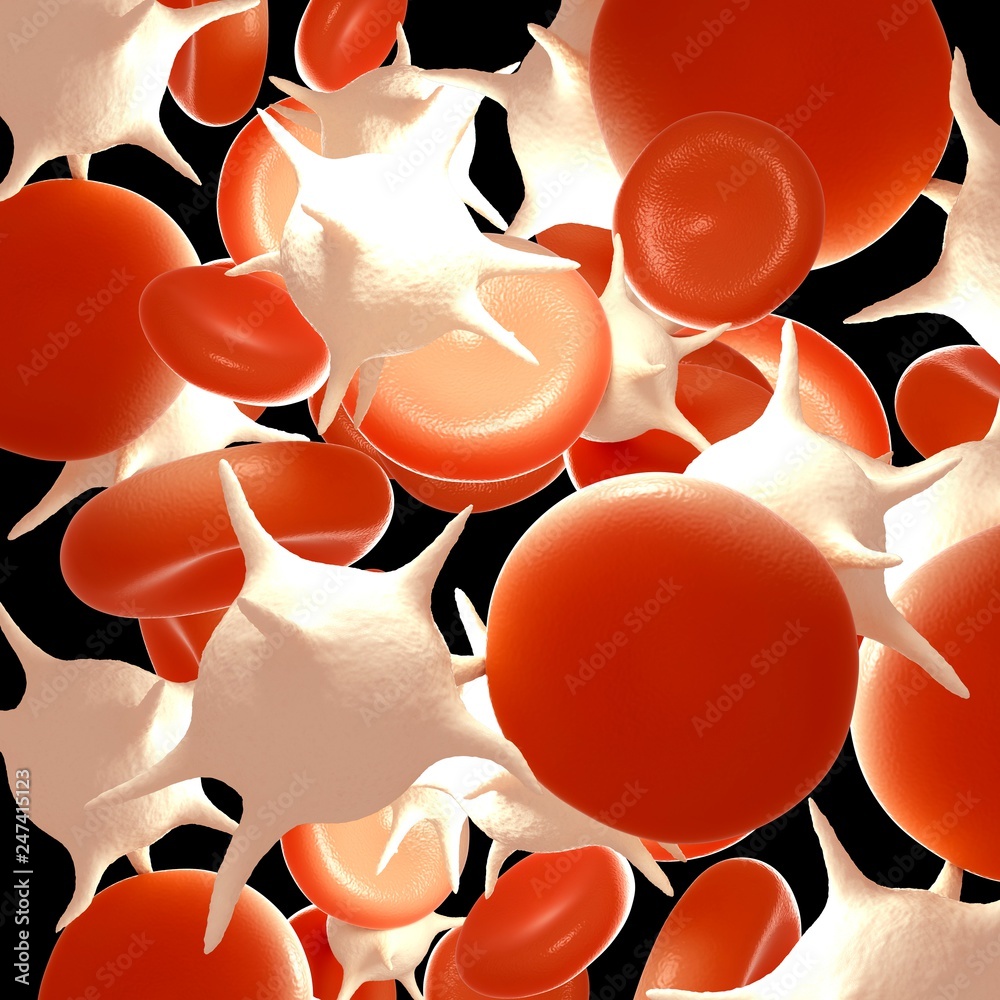
Red and white blood cells What are they and how do they work Biology Diagrams
BlogRed and white blood cells What are they and how do they work Biology Diagrams Red cell senescence is the result of a conformational change in a membrane protein, band 3, leading to the appearance of a senescence-specific antigen recognized by autologous immunoglobulin (Ig) G, marking the cells for removal by macrophages. 1 In addition, aged red cells are also more susceptible to oxidant stress and therefore to eryptosis.
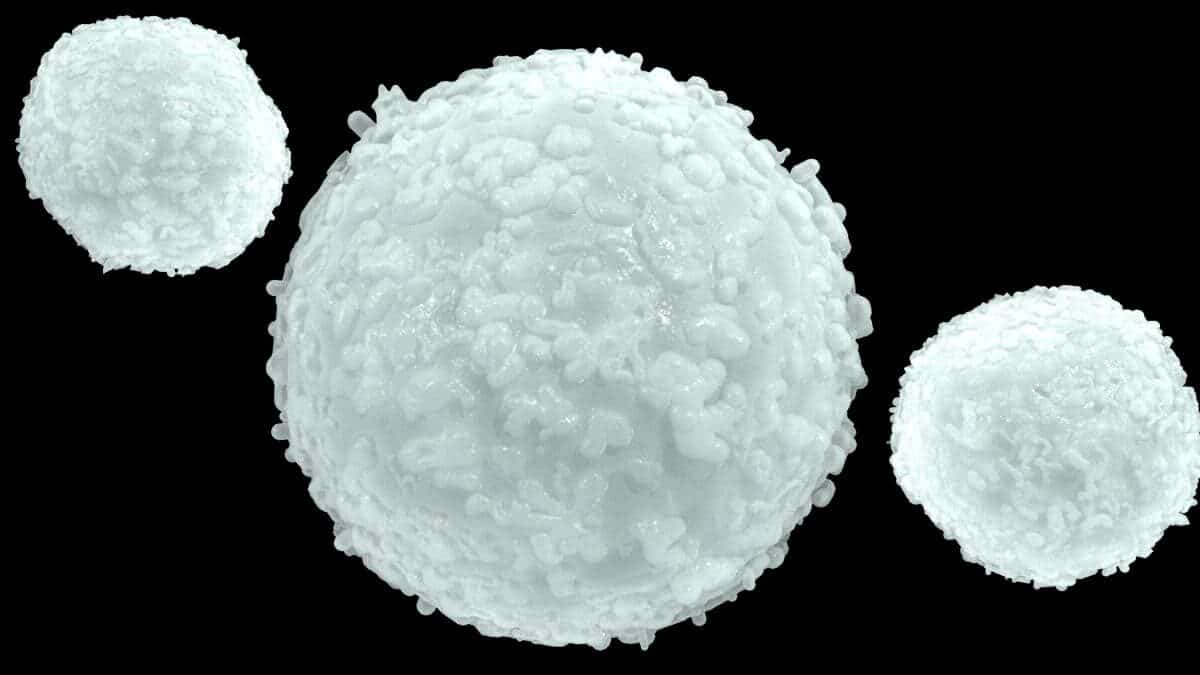
This overview will delve into the components of blood, including plasma, red blood cells, white blood cells, and platelets, along with the process of hematopoiesis. Plasma Components. Plasma, the liquid matrix of blood, serves as a transport medium for various substances, playing a role in maintaining physiological balance.

White Blood Cells: Types, Function & Normal Ranges Biology Diagrams
Every day, a healthy human produces circa 200 billion of these important cells. The white blood cell (WBC) comes in a variety of forms. These are primarily produced in the red bone marrow and differentiate at different stages and in different tissues such as the lymphatic organs. The main white blood cell types are:
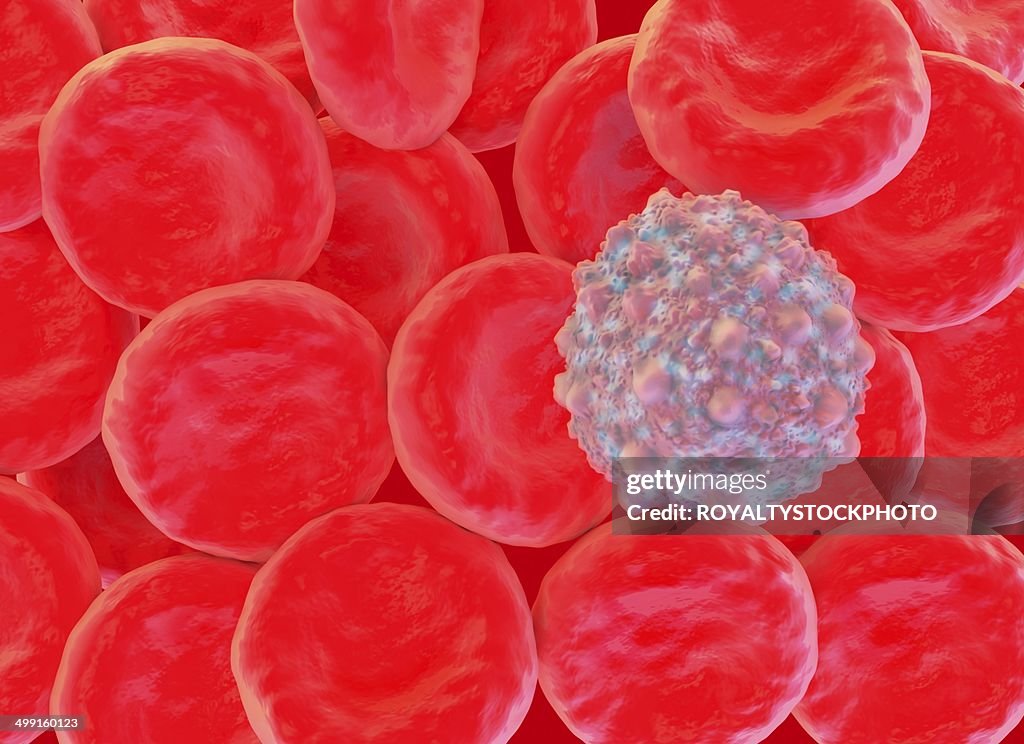
There are more red blood cells in your body than white blood cells. How are white blood cells formed? White blood cell formation occurs in the soft tissue inside of your bones (bone marrow). Two types of white blood cells (lymphocytes) grow in the thymus gland and lymph nodes and spleen .
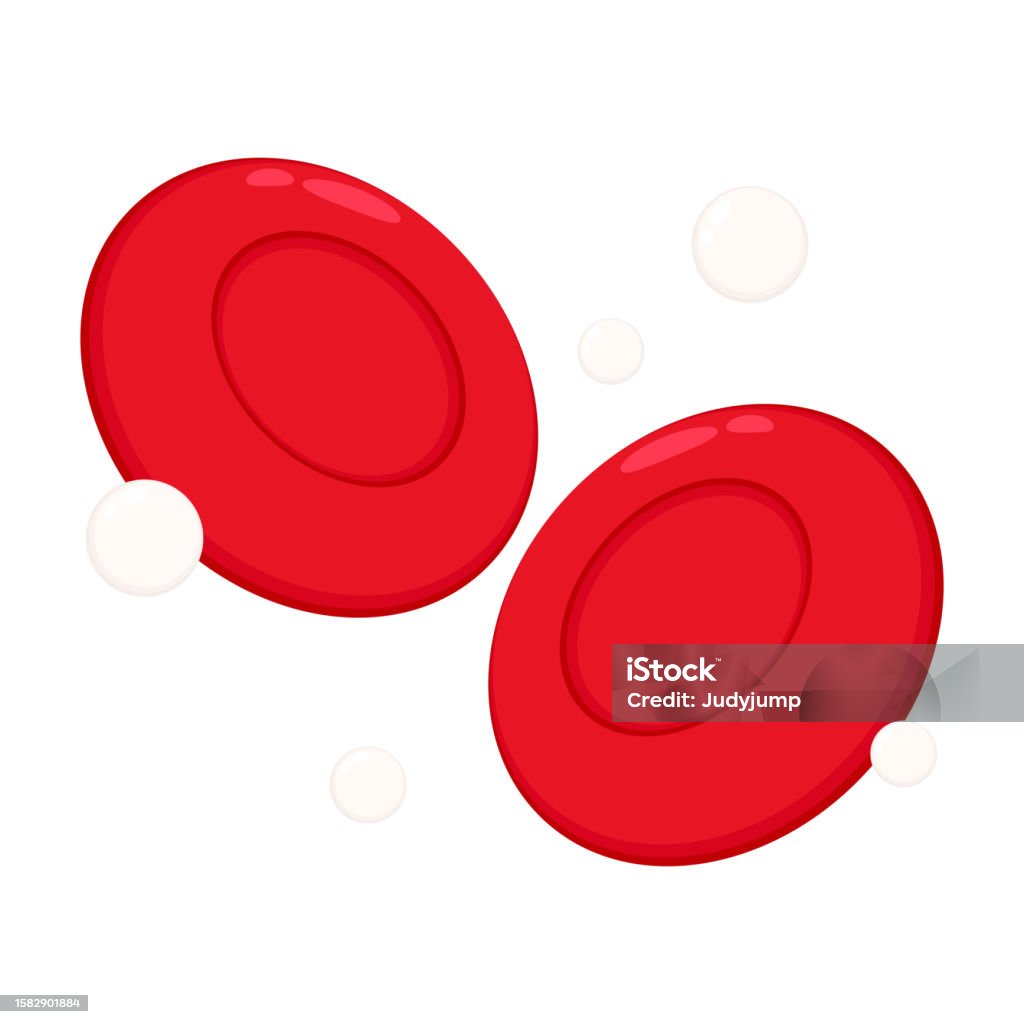
Structure and function of red and white blood cells and platelets Biology Diagrams
The components of blood are produced mainly in the bone marrow, where special cells produce red cells, white cells, and platelets. So-called "blood cancers" such as leukemia are actually cancers of the bone marrow. As cancerous tissue replaces healthy bone marrow tissue, healthy red blood cells, white blood cells, and platelets cannot be made.

Normal red blood cell counts differ based on the person, but general ranges include: Males: 4.7 to 6.1 million red blood cells per microliter of blood; Females: 4.2 to 5.4 million red blood cells per microliter of blood; Children: 4 to 5.5 million red blood cells per microliter of blood
Anatomy Atlases: Atlas of Microscopic Anatomy: Section 4: Blood Biology Diagrams
Blood is a fluid tissue that flows through arteries, veins and capillaries in the human body. Components of blood include red blood cells, white blood cells, platelets and plasma. There are several differences between red blood cells and white blood cells in structure, function and appearance. Blood is a connective tissue whose matrix is fluid. It is composed of: red corpuscles, white cells, platelets, and blood plasma. It is transported throughout the body within blood vessels, which is the subject of Section 8 of this atlas. Red Blood Cells. Red blood cells are also known as erythrocytes or red blood corpuscles. The erythrocyte, commonly known as a red blood cell (or RBC), is by far the most common formed element: A single drop of blood contains millions of erythrocytes and only thousands of leukocytes (Figure 18.3.1).Specifically, males have about 5.4 million erythrocytes per microliter (µL) of blood, and females have approximately 4.8 million per µL.In fact, erythrocytes are estimated to make up